by
by 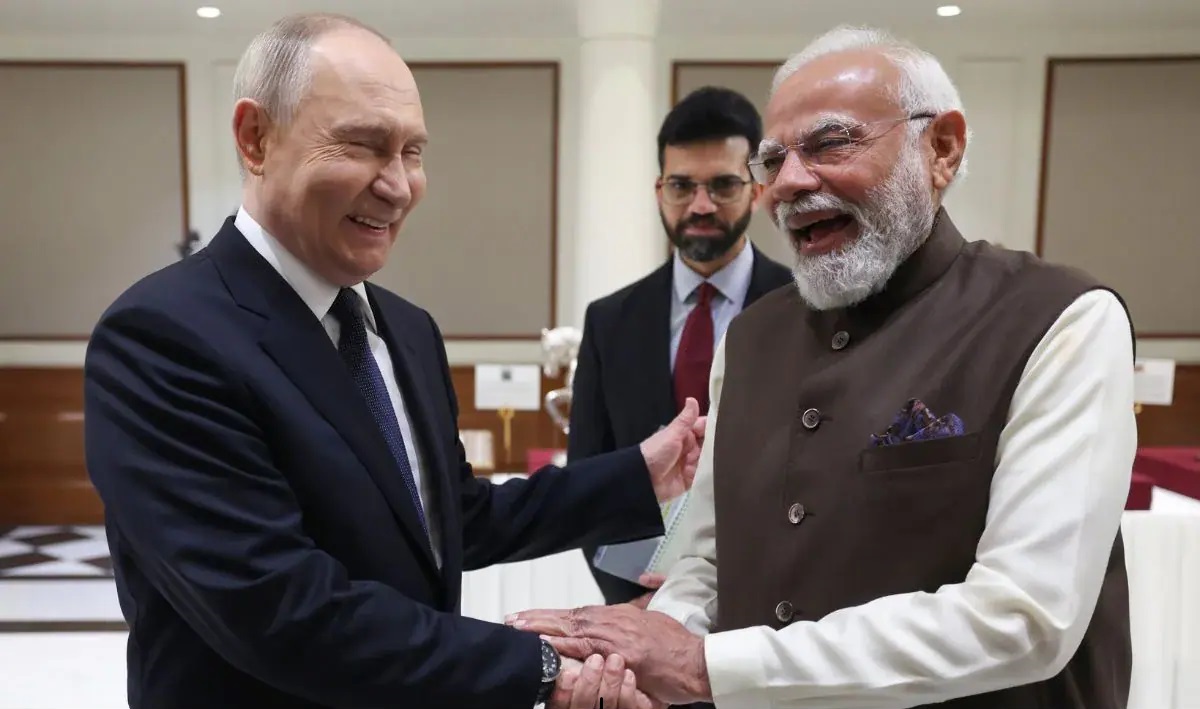
Russian President Vladimir Putin arrived in India on December 4 for a two-day state visit — his first trip to New Delhi since the start of the Ukraine war in 2022. The visit is considered one of Russia’s most significant diplomatic moves in recent years. Despite increased Western pressure, Moscow and New Delhi plan to deepen cooperation in energy, defense, and trade.
Why Is the Visit Happening Now?
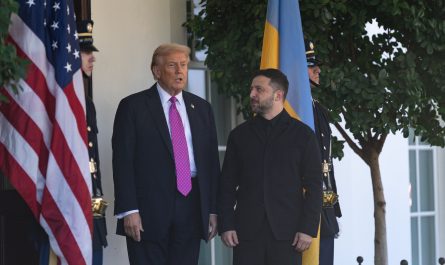
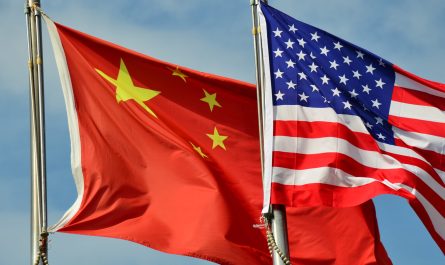
Putin’s visit comes at a moment when relations between Russia and the West are highly strained. India, however, continues to pursue a policy of strategic autonomy — maintaining close partnerships with the US and EU while also strengthening long-standing ties with Russia, especially in energy and military technology.
This trip signals that despite sanctions and geopolitical friction, the “special and privileged strategic partnership” between India and Russia remains intact.
Key Topics on the Agenda
Putin’s schedule includes:
- Bilateral talks with Prime Minister Narendra Modi,
- A joint press briefing,
- India–Russia business forum sessions,
- Discussions on rebalancing trade and expanding cooperation.
Both sides are expected to negotiate in areas such as:
- energy and oil supplies,
- defense and military technology,
- civil nuclear cooperation,
- science and technology,
- labour mobility and industrial partnerships.
Energy Takes Center Stage – Putin’s Notable Statement
One of the most discussed moments of the visit was Putin’s remark addressing US criticism of India’s oil imports from Russia:
“If the United States buys our fuel, why shouldn’t India?”
This statement directly challenged Washington’s tariffs and political pressure aimed at reducing India’s reliance on Russian oil. Over the past two years, New Delhi has become one of Russia’s top buyers of discounted crude, helping India stabilize domestic fuel prices.
Defense and Military Cooperation
India remains heavily reliant on Russian military equipment. During the visit, Moscow is promoting:
- air defense systems,
- combat aircraft,
- missile technology,
- maintenance and spare parts for India’s existing Russian-made arsenal.
Western governments view this as a strategic concern, as the US would prefer India to diversify away from Russian defense systems.
Trade Ambitions – Targeting $100 Billion
In 2024–2025, trade between India and Russia reached approximately $68–69 billion.
However, the trade balance is heavily skewed — India mainly imports Russian energy while exporting very little in return.
During the visit, discussions focus on increasing Indian exports such as:
- automobiles,
- electronics,
- machinery,
- agricultural products.
Both countries have set a shared goal: reaching $100 billion in bilateral trade by 2030.
Geopolitical Significance
Putin’s presence in India sends a clear message to the West that Russia is not diplomatically isolated. At the same time, India demonstrates that it will not be pressured into choosing geopolitical sides.
This development:
- strengthens Russia’s position in Asia,
- reinforces India’s independent foreign policy,
- raises concerns in Washington and Brussels, which aim to limit Moscow’s global influence.
What Could Change After the Visit?
Analysts suggest that the visit may lead to:
- expanded energy agreements,
- new defense cooperation deals,
- increased Indian influence in the Russian market,
- heightened diplomatic friction with the United States.