by
by 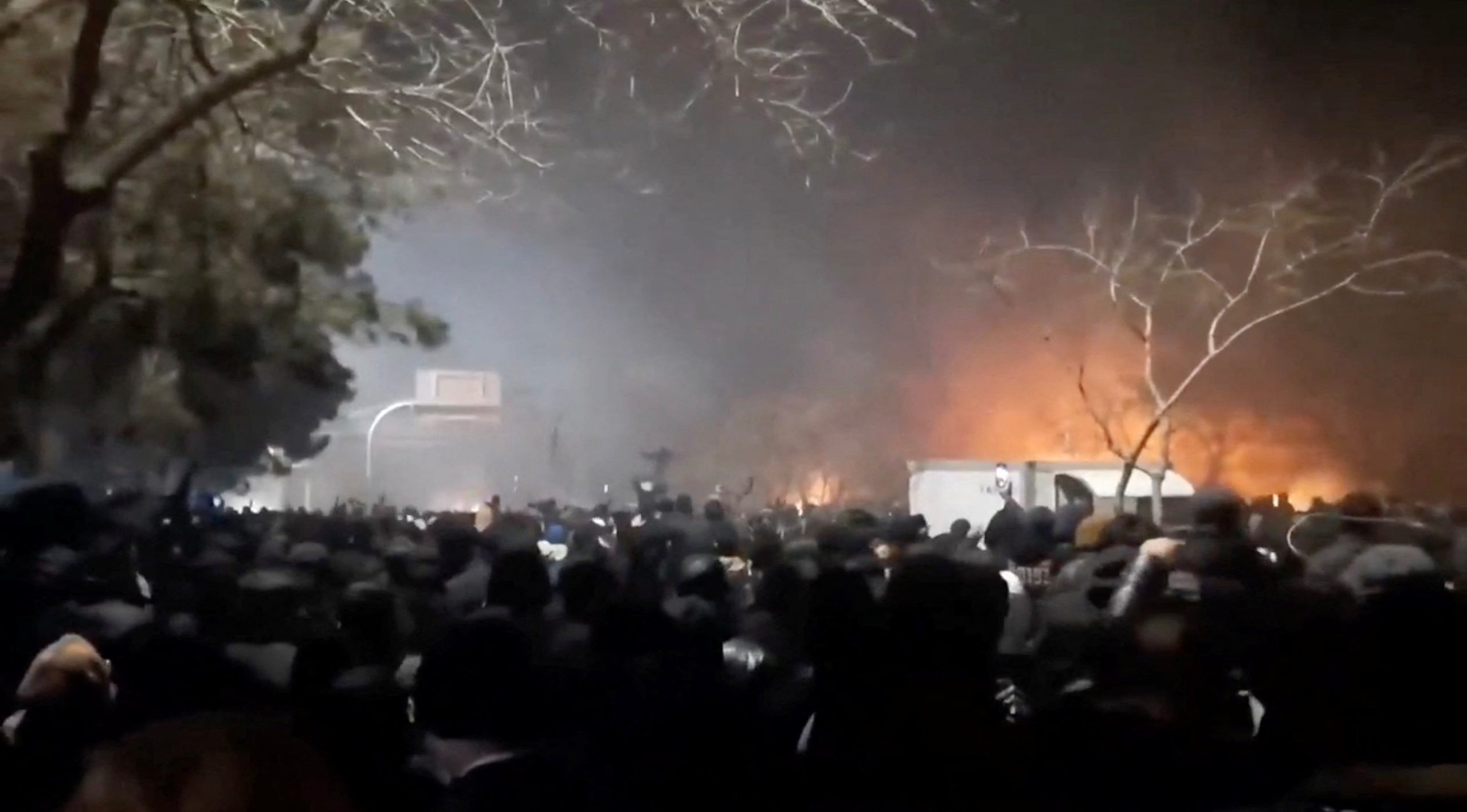
In January 2026, Iran is experiencing one of its most serious internal political crises in recent years. What began as widespread social and economic discontent has evolved into a nationwide protest movement challenging the country’s political and economic system. The combination of a harsh security response, a rising death toll and growing international tension has created a highly unstable and dangerous situation.
Causes and spread of the protests
The protests were initially triggered by a sharp rise in the cost of living, currency devaluation, high unemployment and long-standing public frustration with corruption, mismanagement and lack of political representation. What started as local demonstrations quickly expanded into coordinated protests across major cities, including Tehran, Mashhad, Isfahan, Shiraz and several regional centers.
Over time, the nature of the protests shifted. Economic grievances were gradually replaced by broader political demands calling for structural change, accountability and greater civil freedoms. This transformation marked a turning point, as the movement became not only about living standards, but about the legitimacy of the political order itself.
Security response and human cost
State security forces reacted with a heavy-handed crackdown. Mass arrests, the use of force against crowds and the deployment of special security units in urban neighborhoods have become widespread. Witnesses report the use of live ammunition, tear gas and physical violence against demonstrators.
Independent organizations monitoring the situation from outside the country estimate that more than five hundred people have been killed and several thousand detained since the unrest began. The true scale of the casualties remains uncertain, as independent journalists and human rights observers have limited access and local reporting is heavily restricted.
Information control and communication shutdowns
One of the government’s main tools in suppressing the protests has been information control. Internet access has been significantly reduced, and social media platforms have been blocked or severely restricted. This has made it difficult for protesters to organize and communicate, and it has also prevented independent verification of events on the ground.
As a result, the outside world relies on fragmented reports, eyewitness accounts and indirect data. This information vacuum has increased uncertainty, fueled speculation and made the crisis harder to assess accurately in real time.
International reaction and geopolitical risks
The crisis in Iran has also acquired an international dimension. Western governments have condemned the repression and are considering diplomatic, political and economic pressure measures. At the same time, Iran’s leadership has warned that any form of foreign interference would be regarded as hostile action and would be met with a response.
This exchange of rhetoric increases the risk of miscalculation and escalation in a region already marked by strategic rivalries, proxy conflicts and military tensions. What began as a domestic crisis now carries the potential to affect regional stability and international security.
Implications for regional and global stability
If the protests persist and repression intensifies, Iran may enter a prolonged period of internal instability. This could disrupt energy markets, increase refugee flows, affect neighboring countries and reshape diplomatic relations in the Middle East and beyond.
The situation also highlights a deeper structural conflict between a society demanding change and a political system resistant to reform. How this tension is resolved will have lasting consequences not only for Iran, but for the wider region.
Iran stands at a critical crossroads. The country is caught between social pressure for transformation, an authoritarian security response and rising external tensions. Whether this crisis leads to gradual stabilization, meaningful reform or a deeper and more dangerous confrontation will depend on the choices made in the coming weeks and months.
What is clear is that the events unfolding in Iran in early 2026 represent one of the most significant political developments in the region in years, with implications that extend far beyond the country’s borders.