by
by 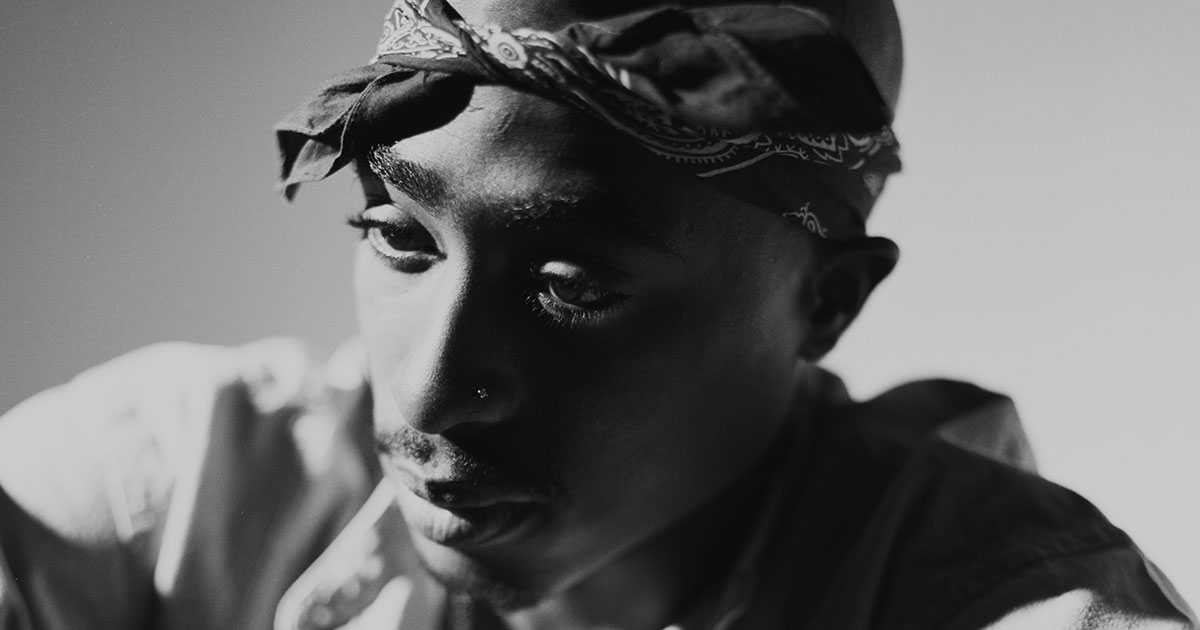
Tupac Amaru Shakur remains one of the most influential artists in hip-hop history. He died on September 13, 1996, six days after being shot in Las Vegas. Yet after decades, millions still refuse to accept the official narrative. The mystery surrounding his final moments shaped a new cultural mythology — one that mixes grief, conspiracy theories, and the belief that Tupac escaped a system determined to destroy him.
Why the Official Story Fails to Convince
According to authorities, a gunman opened fire on Tupac in a BMW driven by Suge Knight after a Mike Tyson fight. Doctors then treated him in intensive care, and he died several days later.
However, many details raise doubts:
- Witness statements contradict each other. Some claim he spoke; others insist he was unconscious.
- The cremation happened extremely fast. Less than 24 hours later, the body was gone, leaving no opportunity for independent verification.
- No public funeral took place. Fans never saw the body, which only deepened suspicion.
- Key documents remained inaccessible. Restricted reports and sealed files encouraged alternative explanations.
These elements do not prove fakery, but they create fertile ground for conspiracy and fuel the belief that the public received a staged performance rather than the truth.
The Machiavelli Message
Tupac’s final album appeared under the alias Makaveli. He studied Niccolò Machiavelli, who famously suggested that leaders could fake their death to defeat enemies.
Fans interpret this as a warning:
- The name “Makaveli” signals strategic deception.
- The album was recorded shortly before the shooting.
- Its artwork shows Tupac crucified and reborn — an intentional reference to transformation rather than simple death.
Consequently, many listeners assumed Tupac understood what awaited him and encoded messages into his music long before Las Vegas.
Power, Control, and the Illuminati Theory
Tupac was not only an artist. He became a political voice who spoke about racism, economic injustice, and manipulation by record executives. As he gained influence, he threatened interests far larger than any personal feud.
Because of this, alternative communities developed the Illuminati narrative:
- Entertainment elites transform rising stars into profitable assets.
- When those stars rebel, the industry neutralizes them.
- The staged death of a cultural icon generates global emotional energy — outrage, grief, obsession — which can be exploited.
Within this framework, Tupac’s murder was not a random street event. It was a ritual designed to preserve control over the culture he helped revolutionize.
The Posthumous Avalanche
After Tupac’s death, listeners received a continuous stream of new songs, albums, and music videos. This output produced two major interpretations.
First, some argue Tupac orchestrated the releases from hiding.
They point to lyrics referring to events that occurred long after 1996 or lines foreshadowing disappearance.
Second, others believe Tupac worked relentlessly before his death.
He often recorded three or more tracks per night, filling studios with material. Record labels understood his economic power and released the vault strategically for years.
Both explanations sound reasonable, which keeps the legend alive and prevents closure.
The Cuba Theory and Global Sightings
As the 2000s progressed, stories surfaced that Tupac escaped to Cuba, using family connections on his mother’s side. People claimed to see him in Havana bars, Mexican transit stations, and Caribbean resorts. Blurred photographs and whispered testimonies spread online.
None of these sightings provided reliable evidence. Nevertheless, every rumor acted like fuel: Tupac became a ghost wandering the world — present everywhere, proven nowhere.
What Verified Evidence Shows
When we look beyond the emotional chaos, the medical and investigative evidence remains consistent:
- Surgeons treated Tupac for four gunshot wounds.
- He underwent multiple operations.
- Doctors placed him in a medically induced coma.
- His body failed due to respiratory and internal complications.
Hospital staff, law enforcement, and court records present the same outcome.
Therefore, while the surrounding circumstances appear strange, the core medical facts point to death, not disappearance.
Why the Legend Continues
Tupac’s message matters more than the conspiracy.
He taught survival, self-respect, and resistance against injustice. Accepting his death feels like surrendering to the oppressive systems he confronted.
Believing that he escaped — or that his enemies silenced him — turns him into something larger: a leader who cannot be broken.
Conclusion: The Man and the Myth
Whether Tupac died in 1996, vanished under a plan, or was sacrificed by powerful forces, two things remain undeniable:
- Millions will never accept the official narrative.
- His influence multiplied after his death, not before it.
The question “Is 2Pac still alive?” says more about our need for heroes than about his fate.
We search for living legends because we fear that the world destroys those who speak too loudly — and Tupac spoke louder than anyone.