by
by 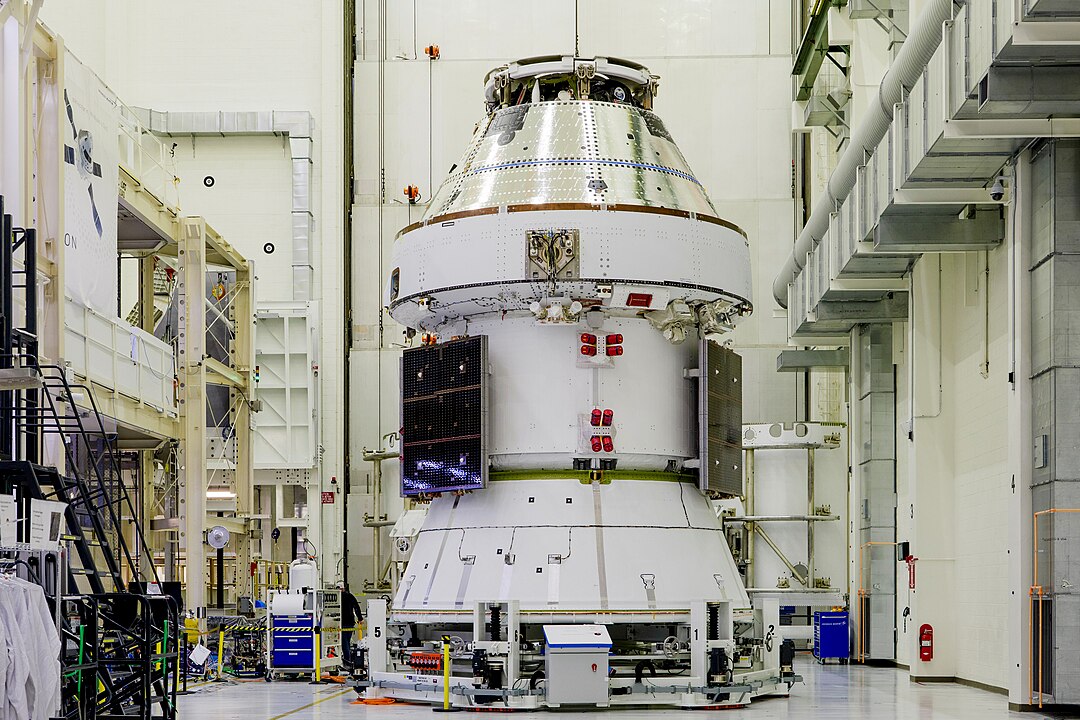
A New Era of Space Exploration
NASA’s Artemis II mission marks the first human flight around the Moon since 1972 and a major milestone in modern space exploration. It is part of NASA’s broader Artemis program, which aims to establish a long-term human presence on the Moon and prepare for future missions to Mars.
What Is Artemis II?
The Artemis II mission is the first crewed flight of the Artemis program. It is not a landing mission but a lunar flyby designed to test all critical systems in deep space, including the Orion spacecraft and the Space Launch System (SLS) rocket.
Mission Profile
The launch is planned for early 2026 from Kennedy Space Center in Florida. Orion will follow a free-return trajectory around the Moon, using lunar gravity to naturally return to Earth. The mission will last about ten days from launch to splashdown.
The Crew
The Artemis II crew consists of four astronauts: Reid Wiseman, Victor Glover, Christina Koch, and Jeremy Hansen from the Canadian Space Agency. This will be the first time a woman and a Canadian astronaut travel around the Moon.
Scientific and Technological Goals
During the mission, scientists will study the effects of deep-space radiation, microgravity, and isolation on the human body. These findings are essential for future long-duration missions, especially to Mars.
The Path Toward Lunar Settlement
Artemis II is a stepping stone toward Artemis III, which is expected to land humans on the Moon’s surface. NASA ultimately plans to build orbital stations and permanent bases near the Moon’s south pole, where water ice resources are located.
Conclusion
The NASA Artemis II mission represents humanity’s return to deep space and the beginning of a new era beyond Earth orbit. It is not just a mission, but a foundation for the future of human civilization in space.