by
by 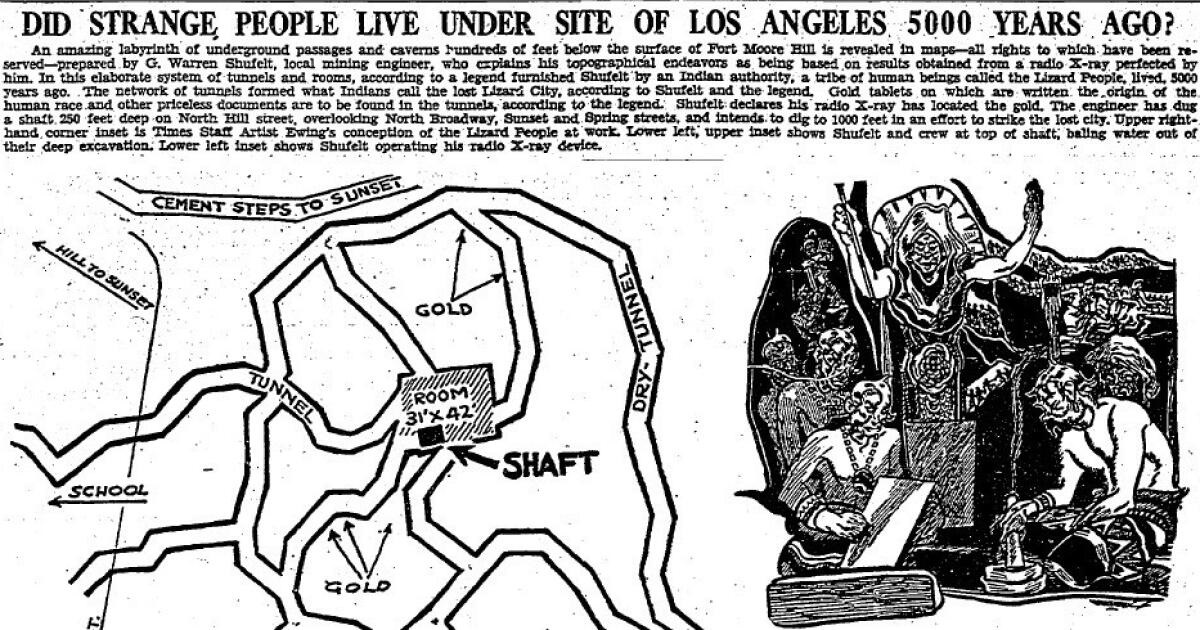
Los Angeles often hides more than it reveals. Beneath its bright skyline, crowded freeways, and endless neighborhoods lies a story far older than the city itself. Long before Hollywood existed, ancient civilizations, indigenous tribes, and early explorers described an immense underground world. As modern research continues to surface, this forgotten history becomes impossible to ignore.
Indigenous Legends: The First Recorded Accounts
For centuries, the Tongva and Hopi tribes spoke openly about underground people who built vast tunnel systems beneath modern-day Los Angeles. Their stories never functioned as symbolic metaphors. Instead, they served as historical records passed down through generations.
Hopi storytellers described how an entire group survived a catastrophic global event by retreating into deep subterranean cities. After the danger faded, these people returned to the surface and shared advanced knowledge with the tribes.
One of the most striking elements of these legends is the presence of the Lizard People — master builders who constructed underground temples, storage halls, and vaults filled with gold. Tribal elders consistently presented these accounts as real history, not mythology.
Historical Newspapers and Early Discoveries: Public and Documented
On January 29, 1934, the Los Angeles Times published an extraordinary investigation into the work of engineer G. Warren Shufelt, who scanned the land beneath downtown LA using a custom radiation-detecting device. As he surveyed block after block, a surprising image emerged.
Shufelt mapped a massive labyrinth under the city — long tunnels, geometric chamber systems, and enormous ceremonial rooms. His maps matched indigenous stories so precisely that reporters immediately took interest.
He claimed these structures belonged to the same underground civilization described in Hopi and Tongva traditions. His diagrams stretched across 13 square miles. Furthermore, when drilling teams reached Fort Moore Hill, they encountered large hollow spaces that aligned with Shufelt’s measurements.
City authorities suddenly halted the excavation and restricted further access. Although officials never published a refutation, the project quietly disappeared. However, Shufelt’s maps still exist in archival collections and continue to raise questions today.
Modern Investigations: The Hidden Truth Emerges
Contemporary researchers, explorers, and underground-structure experts have spent years analyzing these findings. Step by step, their conclusions converge:
- These tunnels appear far older than Los Angeles itself.
- The architecture displays techniques that surpass early American construction abilities.
- Several long-distance tunnels seem to connect LA with other underground sites throughout the Southwest.
As a result, many investigators now argue that the region hides a coordinated subterranean network built by a highly advanced ancient culture.
What Lies Beneath Los Angeles: Confirmed Subsurface Structures
1. Ancient Engineering and Modern Overlays
Beneath the city, researchers continue to document layers of older construction:
- Ancient water channels and drainage systems that predate the city’s founding
- Mysterious rail and tram tunnels whose origins remain unclear
- Cold War bunkers and bank tunnels built directly above older stonework
Workers frequently discover hidden chambers and unexpected voids during new construction. Government agencies often seal these locations, citing safety, yet the scale of these hidden structures suggests a deeper motive.
2. Hidden Entrances and Restricted Access
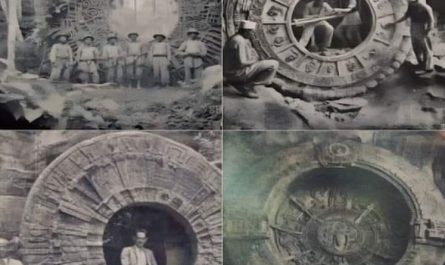
Across the Los Angeles Basin, entrances appear in canyons, riverbeds, and fenced-off industrial areas. Construction crews repeatedly report cave openings, shaft systems, and enormous stone chambers.
Whenever teams uncover a significant cavity, operations usually pause. Shortly afterward, officials close the site, redirect documentation, and remove public access. Many maps that once illustrated these spaces no longer appear in city archives.
Famous Cases and Consistent Evidence
Shufelt’s Lizard People City: Recorded, Preserved, and Ignored
Shufelt’s detailed diagrams remain one of the most comprehensive maps of any subterranean system in California. His drill samples confirmed the presence of deep hollows beneath Fort Moore Hill — precisely where indigenous legends placed the ancient city.
Although officials seldom reference these documents, historians who study them recognize their accuracy and scale.
Accounts From the Underground: Eyewitness Testimony
Urban explorers, maintenance workers, and longtime residents frequently describe:
- Vast halls with ceilings several stories high
- Tunnels that extend far beyond known utility routes
- Stone architecture buried beneath modern foundations
Moreover, homeless communities living near the tunnel entrances often report strange lights, unexplained machinery sounds, and movement deep underground.
Institutional Silence: The Story Officials Avoid
Universities rarely acknowledge discoveries related to these tunnels. When archaeologists uncover unusual structures, agencies classify the reports or remove them from public databases.
Despite this silence, independent researchers keep publishing new findings. Their work reveals a pattern: every time the city expands, crews rediscover traces of an ancient civilization that official history cannot easily explain.
Why Authorities Hide This Information
The implications reach far beyond Los Angeles.
If the tunnels truly originate from an advanced prehistoric civilization, they challenge long-held assumptions about North American history. They also imply:
- sophisticated engineering
- long-distance underground infrastructure
- knowledge far ahead of its time
Revealing this information could force institutions to rewrite major historical timelines.
Simple Summary
A vast, ancient system of tunnels and underground cities lies beneath Los Angeles. Indigenous narratives describe them, historical newspapers documented them, engineers mapped them, and modern explorers continue to encounter them. Although authorities avoid the topic, evidence points to a forgotten civilization that shaped the region long before modern LA existed.
Los Angeles rises above ground — but its deepest story lives below it.