by
by 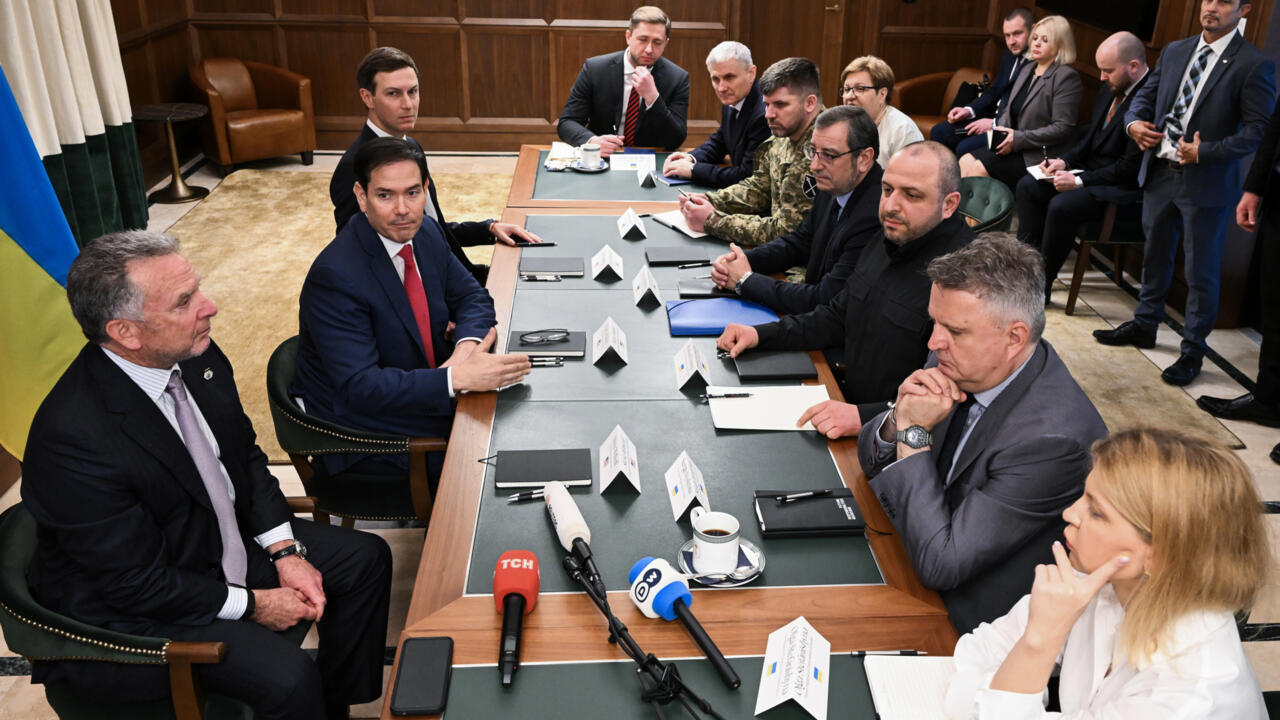
The peace talks between the United States and Ukraine in Florida have become one of the most meaningful diplomatic steps in months. The meeting lasted several hours, and both sides described it as productive — but still unfinished. That distinction matters: the talks were not about a signed deal, but about moving toward practical solutions that could shape the next stage of negotiations.
Not photo-ops — a real plan
The Ukrainian delegation arrived in Florida with a clear, pragmatic mindset. Their goal wasn’t vague promises or political messaging. They wanted to discuss how to combine real security guarantees with a workable ceasefire model — something that would be acceptable both to Ukraine’s society and its Western partners.
The United States stressed a key point: Washington is willing to keep working, but it won’t push Ukraine into a peace agreement “at any price.”
That’s a major shift from earlier phases of diplomacy, when conversations leaned heavily on statements and symbolism. Now the agenda includes practical scenarios: border monitoring, military security, consistent arms supplies, and economic recovery.
What wasn’t promised is more important than what was said
Florida did not produce a “breakthrough moment.” There was no dramatic announcement, no new map of control lines, no demand for Ukraine to abandon NATO.
And that restraint speaks volumes:
- Ukraine didn’t give up its sovereignty — and the talks didn’t ask it to.
- The U.S. didn’t risk its reputation with allies by pushing a deal that benefits only one actor.
- Russian interests were not legitimized, because Ukraine was not negotiating from a position of weakness.
For long-term stability, this matters more than headlines or Twitter drama. The foundation is slow and technical — the kind that actually holds.
A stress test for the West
Ukraine today is not just a battlefield; it’s a stress test for Western security and political commitments. The talks in Florida raised three uncomfortable questions:
- How long can the West sustain military support?
- Is European diplomacy anything more than speechmaking?
- How flexible is Washington when the talks move beyond sanctions and symbolic gestures?
The answer so far is mixed. The United States wants to reduce the cost of the war — economic, political, strategic — but it does not plan to abandon Ukraine.
Ukraine wants peace, but not a “peace equals surrender” deal.
Is this a pause — or the beginning of the real process?
Peace negotiations never start with signatures and champagne. They begin with quiet rooms, side-notes, drafts, and long hours of coordination.
Florida was exactly that: a working session, not a show. The participants built the foundation for continued talks, instead of aiming for a quick political victory.
That’s why the phrase “progress has been made, but much work remains” isn’t just diplomatic language.
It’s reality: progress exists, but no one can call it peace yet.